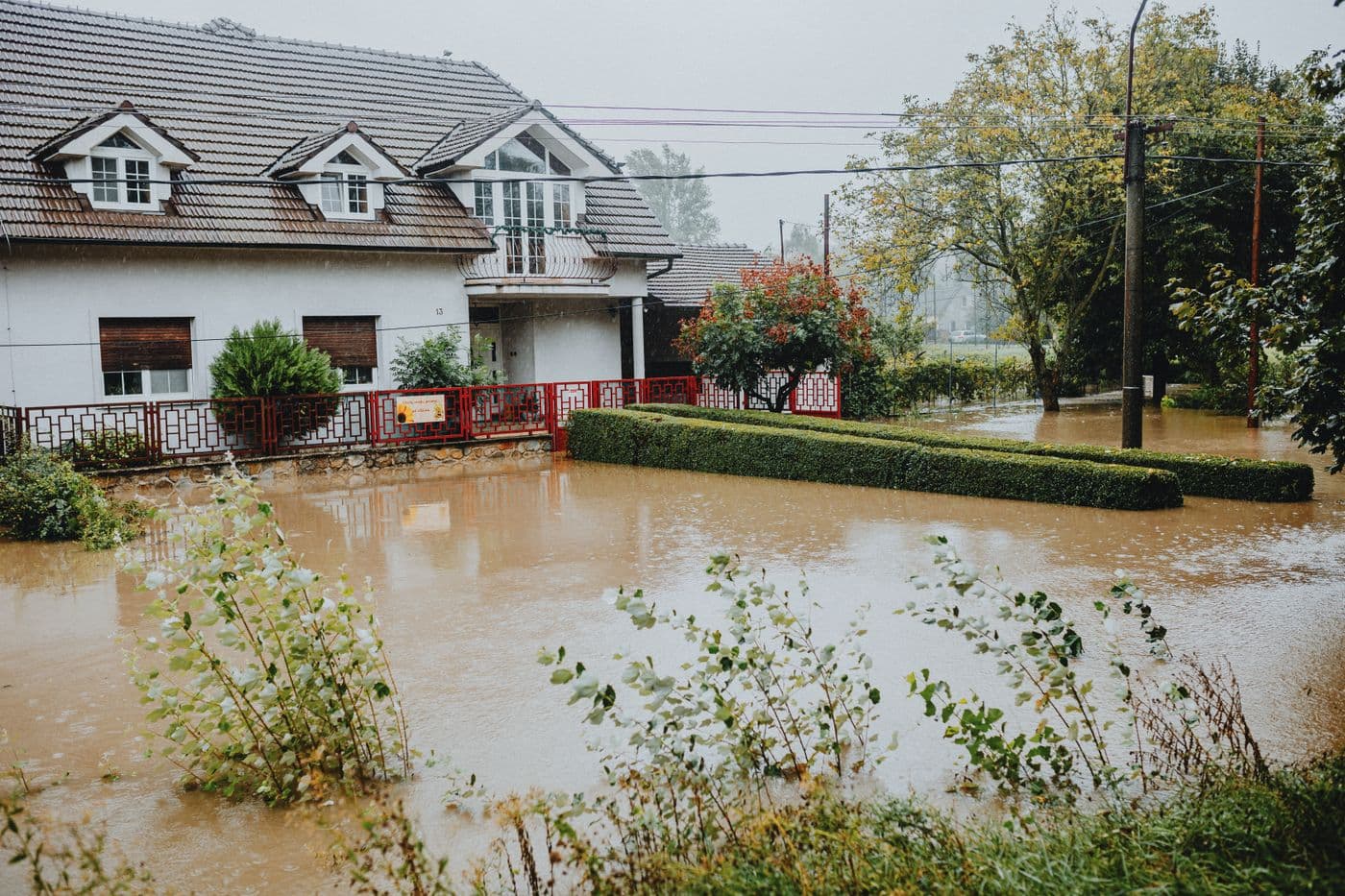
When a Kent home floods
Flooding in Kent rarely looks like the news footage. It looks like an inch of water across a finished basement after an atmospheric river parks over the Green River valley, a crawl space turned pond by saturated ground, or a first floor soaked by a failed sump pump while the family slept. Whatever the source, the cleanup problem is the same: standing water is destroying materials by the hour, and the clock on mold growth is already running.
Flood cleanup is the whole job, not just pumping. Water has to come out, everything it touched has to be dried or removed, contaminated surfaces have to be cleaned and sanitized, and the damage has to be documented well enough that your insurance company pays what it owes.
Safety first, before anyone touches the water
A flooded home has hazards that have nothing to do with wet carpet:
- Electricity. If water is anywhere near outlets or appliances, the power to those areas needs to be off at the breaker before anyone steps in. If the panel itself is wet, stay out and say so on the call.
- Gas. If you smell gas or a water heater or furnace was submerged, leave the house and call your gas utility before anything else.
- The water itself. Floodwater that crossed soil, streets, or drains carries bacteria and chemicals. Sewage backups are worse. Rubber boots, gloves, and keeping kids and pets away are not optional.
- What it touched. Food, dishes, and soft items that met floodwater are contaminated until cleaned or discarded. When in doubt, photograph it, then bag it.
What the cleanup crew actually does
The crews we connect you with work floods the way the IICRC standard says to: extract fast, remove what cannot be saved, dry what can, sanitize everything the water touched. Carpet and pad usually tell the story: clean water losses can often be dried in place, while contaminated losses mean the pad goes, the slab or subfloor gets cleaned and disinfected, and drying equipment runs until moisture meters, not guesswork, say the structure is dry. Wet insulation and swollen baseboard come out; walls, floors, doors, and windows get checked for trapped moisture on both sides.
Every step gets photographed and logged. Flood claims turn on whether the loss is documented, and a crew that hands your insurance adjuster a clean drying log and photo set is worth more than any amount of arguing later.
Why acting fast matters
Wood floors cup within days. Drywall wicks water feet above the visible line. Mold growth can start inside wall cavities within 24 to 48 hours, turning a cleanup into a remediation project. The difference between a two-day dry-out and a gutted first floor is usually how fast extraction started, so call the moment you find the water, day or night.