What drying actually means
When people ask how long drying takes, they usually picture the air feeling dry or the carpet not squishing underfoot. That is not the finish line. Drying means the materials are dry: the subfloor, the framing, the drywall, the insulation, right down into the parts of the house you cannot see or touch.
That difference matters because water hides. It wicks up inside walls, soaks into the wood under your floor, and pools in wall cavities and under cabinets. The surface can feel dry to your hand while the material behind it is still holding water. Mold and rot do not care what the surface feels like. They grow on what is wet underneath.
So a real dry-out is not finished when the room feels better. It is finished when a moisture meter says the materials are back to a normal, dry reading. That is the standard the IICRC sets, and it is why the job takes longer than most people expect.
How long a typical dry-out takes
Here is the honest answer: it depends, and anyone who quotes you an exact number of hours before seeing the loss is guessing.
That said, there are rough patterns. A small, clean-water spill caught fast and extracted quickly can dry in a few days. A typical structural dry-out, the kind where water spread across a room and into the subfloor, usually runs several days of equipment running around the clock. That is the common case, not the exception.
Some materials are stubborn and stretch things out. Hardwood floors dry slowly and unevenly, and they can take much longer than the drywall in the same room. Dense materials like a concrete slab and plaster hold water deep and give it up grudgingly, so they often need extra days on top of everything else. This is why your neighbor's kitchen dried in three days and yours is still going on day seven. Different water, different materials, different timeline.
What the air movers and dehumidifiers do
The loud equipment a crew leaves behind is doing two different jobs, and it takes both.
Air movers are the low fans aimed along the floor and walls. They do not dry materials directly. They sweep the damp layer of air off wet surfaces and keep drier air moving across them, which pulls moisture out of the material and into the room. Think of how a breeze dries a wet sidewalk faster than still air does.
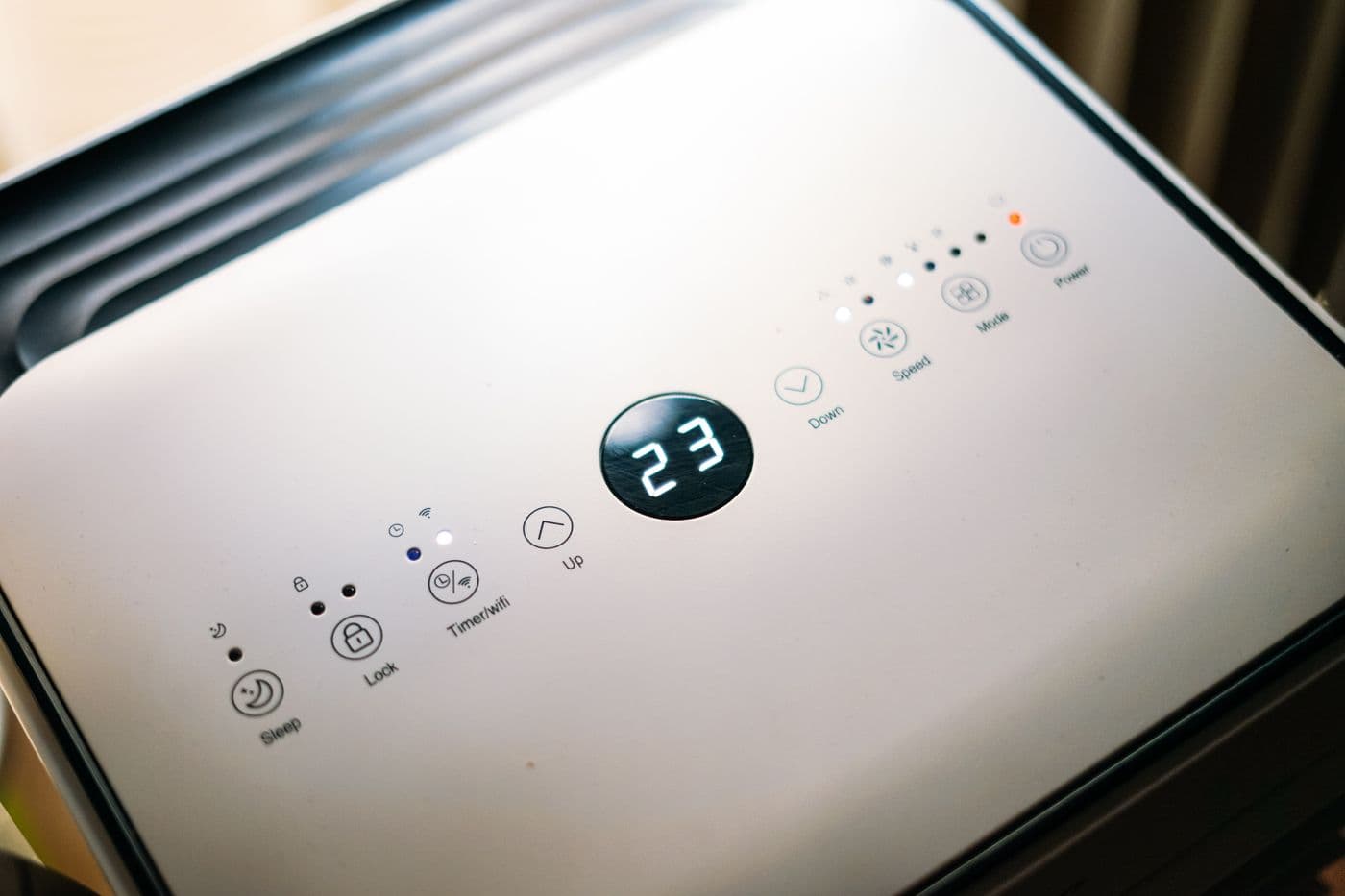
Dehumidifiers handle the other half. Once the air movers push all that moisture into the room, something has to take it out of the air, or it just soaks back into everything. The dehumidifier pulls water out of the air and drains it away, keeping the room dry enough that the wet materials keep releasing moisture. Run one without the other and drying stalls. That balance is the whole science of it.
Why crews take daily moisture readings
You cannot watch drying happen, so the crews we connect you with measure it. On the first visit they take moisture readings from the wet materials and from a dry, unaffected spot for comparison. That dry reading is the target.
Then they come back, usually every day, and read the same spots again. The numbers should be falling. If they are, the equipment stays where it is and the drying is on track. If a reading is stuck, that tells them something is wrong: an air mover in the wrong place, a pocket of trapped water, a material that needs more help. They adjust and keep going.
This is why a good crew logs numbers instead of eyeballing it. Those daily readings are also what proves to your insurance company that the house was actually dried, not just left to sit until it seemed fine.
Why turning the equipment off early backfires
The equipment is loud, it runs up your power bill, and it is tempting to shut it off once the room looks normal. Do not. This is the most expensive shortcut in the whole process.
When materials are left partly wet, two things happen, and both are worse than a few more days of fans. Mold can start growing on damp material within a day or two, and once it is in the walls and subfloor you are no longer drying a house, you are paying to remediate mold. And wood that dries unevenly, or gets sealed up while still wet, cups, warps, and splits, which can mean tearing out floors that could have been saved.
Let the crew call it done based on the meter, not based on how the room feels or how sick you are of the noise. The extra day or two of equipment is cheap next to a mold job or a new floor.
What stretches or shrinks the timeline
If you want to know why your dry-out is fast or slow, it comes down to a handful of factors:
- How much water, and what kind. A quick clean-water spill dries faster than a whole-room soak, and contaminated water usually means removing materials instead of drying them.
- How fast extraction started. Water that sat for two days before anyone pumped it soaked deeper and takes longer to pull back out.
- What got wet. Carpet and drywall dry relatively fast. Hardwood, plaster, and concrete are slow by nature.
- Airflow and equipment. The right number of air movers and dehumidifiers, placed well, dries faster than a couple of household fans ever will.
- The weather. A cold, wet Kent stretch makes the air harder to keep dry, which is exactly why the dehumidifier matters.
The short version: drying takes as long as the materials take, and the way to make it shorter is to start extraction fast and let the professionals size the equipment. If your home is still wet, getting a water extraction crew out quickly is the single best thing you can do for the timeline.